Bakery InnovationFrom Lucas
What to Have for Lunch on a Monday
The eternal Monday question.
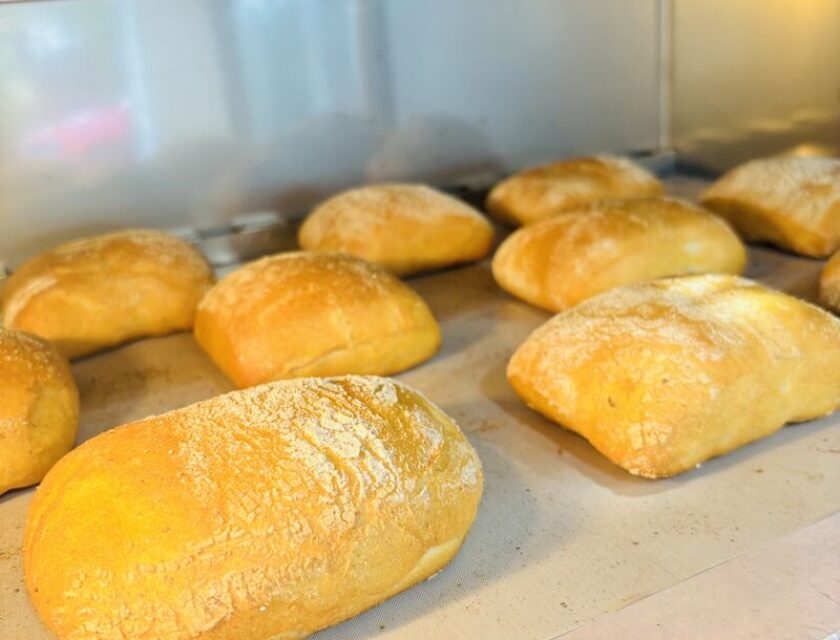
We were in the test bakery anyway, baking for the Craft Bakers Association Business Day, so the answer arrived fairly quickly: Scrocchiarella.
For anyone who has not come across it, this is the Roman style of flatbread — baked long and flat on a peel, worked to a high hydration and a long fermentation, and finished so light that the whole thing shatters when you bite it. The name comes from the Italian for that exact sound. Get it right and you have a base that is crisp on the outside and almost hollow in places, with barely any weight to it at all.
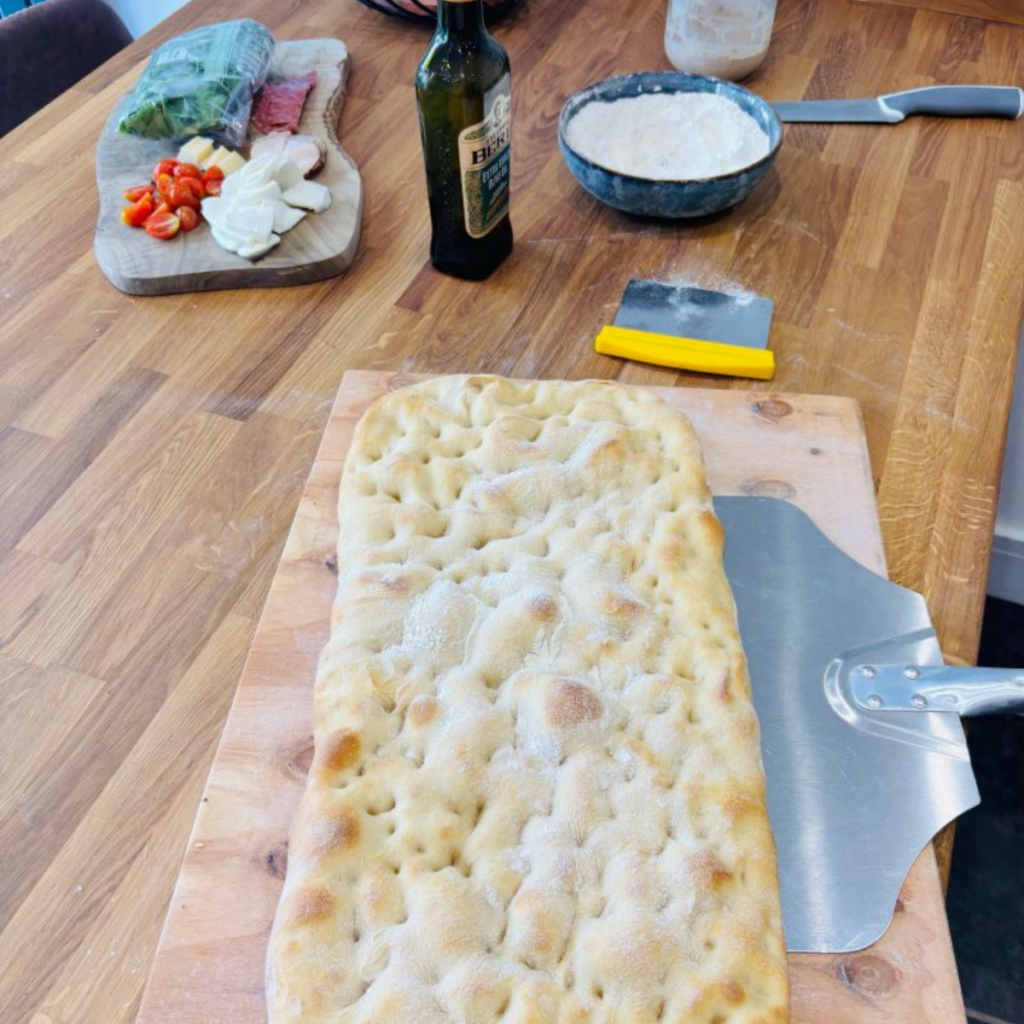
Into the dough went 5% sweet malt from EDME Ingredients, which is there for flavour and for the colour it brings up across the surface during the bake. It is a small addition doing a disproportionate amount of work — the same reason malt turns up in so much of what we develop.
Then it is split and filled. Salami, mozzarella, rocket, cherry tomatoes, good olive oil. Nothing complicated, because the base is doing the interesting part.
There is a serious point buried in a Monday lunch, though. A bakery that already mixes dough every morning and already has the oven hot is most of the way to a lunch offer. A filled flatbread carries a far better margin than a sandwich on sliced bread, it looks like something worth queuing for, and it turns the same skills and the same equipment into a second trading peak in the middle of the day. For a craft bakery competing against chains on food-to-go, that is one of the more useful moves available.
Not a bad Monday.
“A bakery already mixing dough in the morning is most of the way to a lunch offer. It is the same skill, the same oven, and a much better margin.” — Lucas Fussnegger
Frequently Asked Questions
What is scrocchiarella?
Scrocchiarella is a Roman style of flatbread or pizza base, baked flat on a peel and characterised by a very light, airy, crisp result. The name comes from the Italian word for the crackling sound it makes.
Why add malt to a flatbread dough?
Malt contributes flavour and helps develop colour across the surface during baking. Even a small percentage makes a noticeable difference to the finished product.
Why is flatbread a good food-to-go product for a bakery?
It uses dough and oven capacity a bakery already has, splits and fills easily, and generally carries a better margin than a sandwich made on standard sliced bread.
What fillings work in a Roman-style flatbread?
Because the base is light and crisp, it suits simple, high-quality fillings — cured meats, soft cheeses, salad leaves, tomatoes and olive oil, rather than heavy or wet ingredients.