Bakery InnovationFrom Lucas
Everything the Same, Except the One Thing
When you are testing a specific ingredient, the difficult part is not the test. It is making sure that nothing else is different.
Today we were looking at a range of malt inclusions from EDME Ingredients, comparing how each one performs. The only way that comparison means anything is if every other variable is held still — same recipe, same process, same mixing programme, same oven, same moment.
That is why the test bakery runs two identical mixers.
It sounds like a small thing, and it is the whole thing. If you mix one batch and then mix the second afterwards in the same machine, you have not run a comparison. The bowl is warmer than it was. The room has moved on. Your first dough has been sitting while the second was mixing. You now have two results and no way of knowing how much of the difference came from the ingredient and how much came from the forty minutes between them.
Two machines, same programme, started together, means there is exactly one variable in the room.
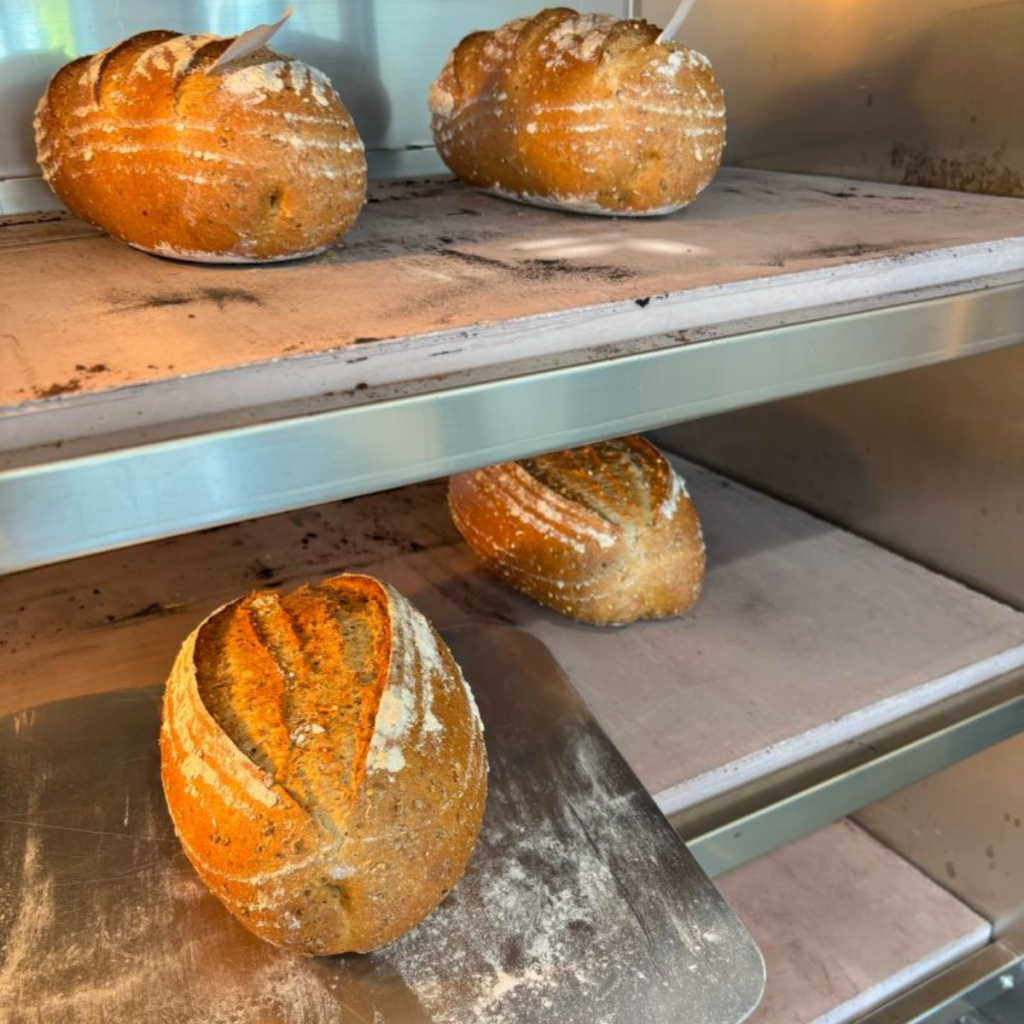
The same discipline carries through the bake. You will see paper markers in the loaves in the pictures — every sample identified before it goes anywhere near the prover, so that nothing gets guessed at later. Four similar-looking loaves come out of an oven and, without labels, somebody is going to say “I think that one was the dark malt.” That is not a test result. That is a hunch.
This matters commercially more than it might appear. A supplier can tell you an ingredient performs well, and it may be entirely true. What a proper side-by-side tells you is whether it performs well in your product, in your process, on your equipment — which is a different question, and the only one that affects your business.
Now the test bakery is up and running, it is a very good place to answer it properly.
“A supplier can tell you an ingredient performs. A side-by-side tells you whether it performs in your product. Those are different questions.” — Lucas Fussnegger
Frequently Asked Questions
What is side-by-side testing in baking?
Side-by-side testing means running two or more versions of a product at the same time under identical conditions, changing only the single ingredient or variable being assessed, so any difference in the result can be attributed to that variable alone.
Why use two mixers for ingredient testing?
Mixing batches one after another in the same machine introduces differences in bowl temperature, ambient conditions and resting time. Two identical mixers running the same programme simultaneously removes those differences.
Why are samples labelled during a bake test?
Similar products are easy to confuse once baked. Identifying every sample before proving means results are recorded accurately rather than reconstructed from memory.
How should a bakery test a new ingredient?
By running it against the current product under identical conditions, in the bakery’s own process and on its own equipment, rather than relying on supplier data or a trial in isolation.